


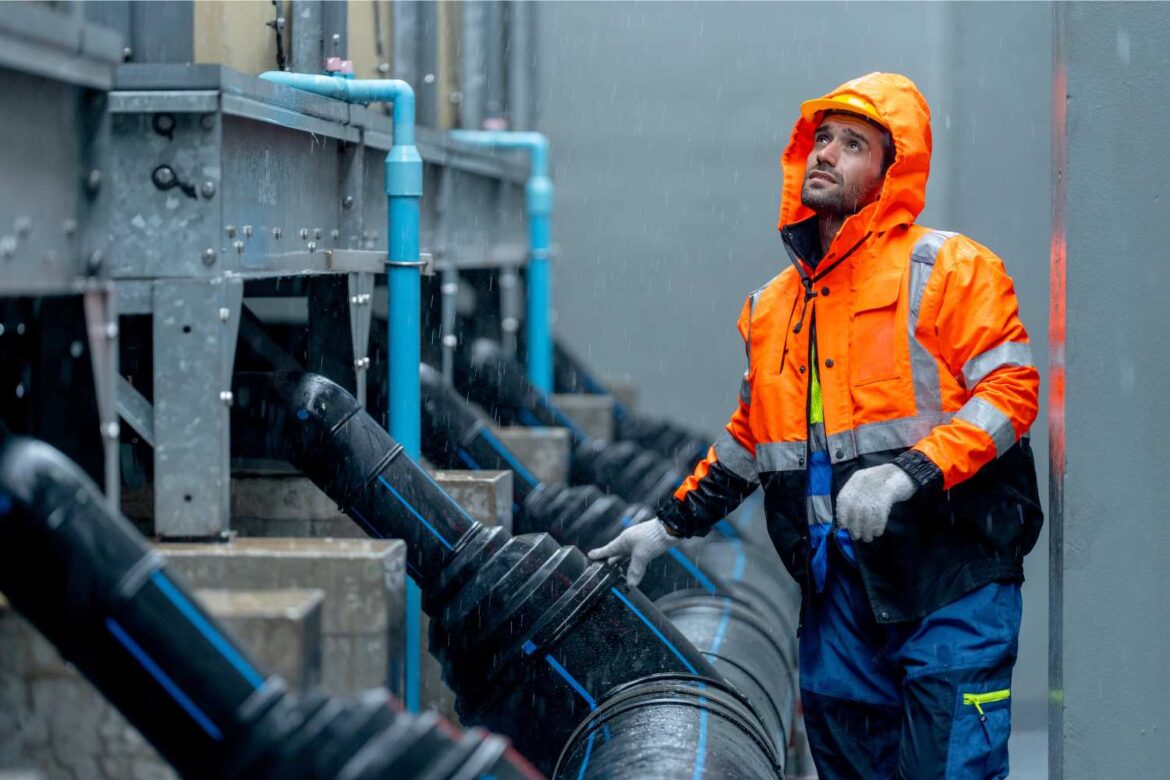
Working in cold conditions is often accepted as part of the job in certain industries. Whether in refrigerated environments, outdoor conditions, or poorly insulated indoor spaces, employees frequently adapt to low temperatures without recognising the bodily strain it places on them.
This is what makes cold exposure a particularly dangerous workplace risk. Because its normalised, early symptoms are generally dismissed as temporary discomfort, rather than recognised as indicators of cold stress. Prolonged exposure to cold temperatures can affect concentration, coordination, and overall workplace safety.
Understanding how cold environments impact workers is an essential part of preventing injury and maintaining sustainable performance. But more importantly, recognising when exposure becomes a risk allows organisations to take proactive measures through structured monitoring and assessment.
What Happens to the Body in Cold Working Environments
When exposed to cold conditions, the body shifts to prioritise maintaining its core temperature. Blood flow is redirected away from extremities such as the hands and feet, which reduces dexterity and sensitivity. As cold exposure continues, muscle function declines, and reaction times slow down significantly.
These physiological responses may seem subtle at first, but they directly impact a worker’s ability to perform tasks safely and accurately. Reduced grip strength, slower movements, and impaired coordination increase the likelihood of safety incidents, particularly in environments involving machinery or manual handling.
Prolonged exposure can also lead to more serious conditions, including hypothermia and cold-related injuries. Importantly, these risks are not limited to extreme environments. Even moderate cold, when combined with long shifts or inadequate protection, can create cumulative thermal exposure that affects both health and safety.
The Symptoms Workers Often Ignore
One of the most significant challenges in managing cold work environments is that symptoms gradually develop and are often overlooked and dismissed. Workers may continue performing tasks despite clear signs that their bodies are under strain.
Common early indicators of cold strain generally include:
- Numbness in toes and fingers
- Persistent shivering that doesn’t stop with more layers
- Reduced hand coordination and balance
- Fatigue or difficulty concentrating
Because these symptoms are often seen as manageable, they’re rarely reported. However, they represent the early stages of cold stress and should be treated as warning signs rather than inconveniences. For employers, it’s increasingly important to have measures in place for protecting workers in cold conditions.
How Cold Exposure Increases Safety Risks
As the body’s ability to function efficiently is reduced, the risk of workplace incidents increases. Cold environments affect both employees’ physical capabilities and cognitive performance, creating a dual risk factor.
The impact of cold exposure can be broken down into two key areas:
| Impact Area | Effect on the Body | Workplace Risk |
| Physical performance | Reduced dexterity, stiffness in joints and muscles | Dropping tools, difficulty handling equipment, and increased manual handling risks |
| Reaction time | Slower nerve and muscle response | Delayed emergency response, reduced ability to react to hazards |
| Grip strength | Decreased hand strength due to reduced blood flow | Loss of control when operating tools or machinery |
| Cognitive function | Reduced alertness and concentration | Errors in judgment, slower decision-making |
| Coordination | Impaired fine motor skills | Increased likelihood of operational mistakes |
From a safety perspective, these combined effects create an environment where even a simple routine task becomes high-risk. In high-demand or hazardous workplaces, small delays or minor errors can quickly escalate into serious safety incidents.
It’s important that employers perform routine ventilation assessment for cold stress risk, as poor airflow can create uneven temperature zones, increasing exposure risk in certain areas.
Why Cold Stress Is Often Underestimated
Unlike heat stress, which is noticeable and often severely uncomfortable, cold environments can feel more manageable, at least initially.
In many workplaces, cold exposure is treated as a comfort issue rather than a health and safety risk. And as a result, safety controls are often reactive rather than preventative. Seasonal changes can further complicate this risk. As temperatures drop, environments that were previously safe may suddenly present new risks.
This is especially relevant in seasonal transitions, where winter preparedness and ventilation assessments can help prevent safety risks.
Monitoring Cold Stress: A Preventative Approach
Managing cold work environments effectively requires more than just observation. It requires measurement. Structured assessments evaluate environmental conditions alongside the work demands to determine actual exposure levels.
Thermal stress risk assessments consider:
- Ambient temperature and airflow quality
- Duration of temperature exposure
- Work intensity in the environment
- Clothing and protective equipment worn while working
This approach allows organisations to move from assumptions to evidence-based decision-making. Monitoring the environment and temperature provides early insight into where risks may develop.
Apex Environmental provides specialised thermal stress risk assessments and monitoring to help businesses identify and manage cold exposure risks effectively.
Integrating Cold Stress into Occupational Hygiene Strategies
Cold exposure isn’t an isolated workplace risk. It forms part of a broader occupational hygiene framework that considers all environmental factors affecting worker health and safety.
By integrating cold stress assessments into existing safety programmes, organisations can ensure consistent monitoring, accurate reporting and effective control implementation. It not only supports compliance efforts but also improves overall workplace performance.
Through our comprehensive occupational hygiene services, Apex Environmental supports businesses in managing environmental risks through accurate measurement and practical recommendations.
Recognising Cold as a Workplace Hazard
Cold conditions are often accepted as part of the job, but they shouldn’t be accepted as a risk. When cold exposure is left unmanaged, it affects the safety, performance and long-term health of employees.
By recognising the early signs of cold exposure and implementing structured monitoring frameworks, organisations can shift from reactive responses to proactive protection. With the right insight and support, cold work environments can be managed effectively, ensuring that workers are safe, capable and productive, regardless of temperature.