


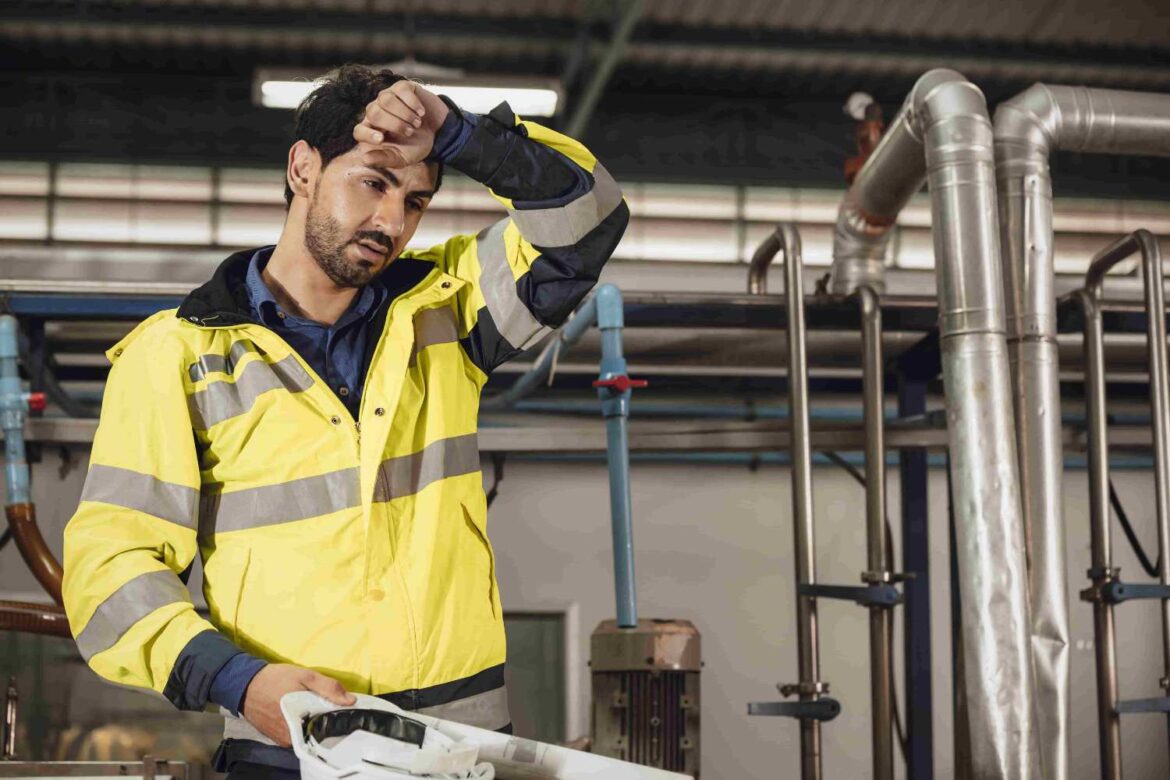
Hotter South African summers are no longer just the occasional discomfort. They are a growing occupational hazard. As ambient temperatures rise and heatwaves become more frequent and unbearable, employers need to adapt to ensure the safety of their workforce. Organisations that invest in effective training can turn heat stress management from tedious box-ticking exercises into strategic advantages.
This article explores how structured training programmes prepare workers and employers to meet emerging thermal stress. It outlines the components of effective training, explains how this builds organisational resilience, and highlights the role of Apex Environmental in delivering accredited, customised courses that satisfy legal obligations while creating a proactive, heat-aware workforce.
Unpacking Thermal Stress and Why It Matters
As soon as the body can’t regulate its temperature due to increased heat in the environment, metabolic efforts, heavy clothing, or PPE, a variety of heat exposure-related symptoms start to occur. And fast.
Heat strain symptoms can range from mild discomfort (like fatigue, cramps, and dizziness) to serious and dangerous heat exhaustion or heat stroke. In South Africa, where the summer temperatures regularly soar, the risk is especially high for outdoor workers or those in hot industrial settings.
Beyond the immediate health risks, it can also greatly impair concentration, slow down reaction times, and increase the risk of accidents. Studies have shown that under extreme heat and humidity, cognitive performance and situational awareness are significantly reduced, which is a serious concern for safety-critical tasks.
It’s no longer enough for workplaces to wait around for heat-related incidents before acting and investing in training. Instead, organisations must be proactive and plan for thermal risks through training.
What Should Effective Training Cover?
Training aimed at alleviating thermal stress risk should combine scientific understanding, practical control strategies, acclimatisation, and cultural change. Drawing on globally recognised guidelines and best practices, the key areas training should cover are:
Recognising Early Symptoms
Workers and supervisors must know how thermal stress develops and presents: the role of metabolic heat, environmental conditions, clothing/PPE, and humidity. Training should cover recognising early symptoms such as excessive sweating, dizziness or fatigue, muscle cramps and nausea. Knowing what signs to look out for can prevent more severe heat-related illness.
Environmental Monitoring and Risk Assessment
Effective training should also include how to assess and monitor heat risk on site, for example, using measures like Wet Bulb Globe Temperature (WBGT) or other thermal environment indicators. Risk assessments must consider ambient temperatures as well as workload, humidity, PPE/clothing, and the duration of work.
Acclimatisation and Work Scheduling
New workers, or those returning after extended leave, need a period of gradual exposure so their bodies have time to adapt. This “acclimatisation” reduces susceptibility to heat strain and severe illness. Training should include managing acclimatisation plans and adjusting work schedules to avoid the hottest parts of the day or at least limit continuous exposure. Heat Stress Prevention for Office and Outdoor Workers explores how employers can help reduce heat-related accidents.
Hydration, Rest, and Recovery Strategies
Employers must encourage and facilitate regular hydration and breaks in shaded or cooler areas. Training helps workers understand why hydration matters even when not thirsty, and how to recognise the early signs of dehydration. Cooling zones, resting periods and recovery plans are important aspects to preventing heat-related incidents.
Engineering and Administrative Controls
Training should also guide employers and safety officers on the implementation of controls like proper ventilation or cooling systems, shade provisions, redesigning tasks, providing appropriate work-rest cycles, and ensuring PPE is suitable for hot conditions.
Emergency Response and Incident Protocols
Despite all mitigation and safety efforts, there will still be situations where workers suffer heat-related illness. This is why it’s important that training also covers first aid response, procedure reporting, co-worker monitoring, and escalation to medical help when needed.
Legal and Organisational Compliance
In South Africa, employers have a legal duty under the Occupational Health and Safety Act (OHSA) to effectively and proactively manage heat risks. Training ensures that organisations meet these legal obligations, turning compliance into an informed approach to worker health and business continuity.
Why Safety Training Builds Organisational Resilience
When training is rolled out effectively, it does more than just protect individuals and the work environment. It transforms the workplace culture and operational resilience.
- Proactive risk management: Organisations become capable of anticipating thermal risks and can adjust operations accordingly ahead of time.
- Improved safety: With well-trained personnel, early signs of heat strain are better recognised and managed, reducing heat-related illness and injury.
- Legal compliance: Training aligned with accepted labour frameworks helps meet regulatory obligations and reduces legal risk.
- Sustained productivity: Proper management of heat-related risks supports morale and minimises downtime.
- Climate adaptability: A well-trained workforce provides flexibility to operate safely as climate patterns shift.
The Role of Apex Environmental Training Programmes
At Apex Environmental, we understand that South African workplaces face unique thermal challenges. Our training programmes provide the tools, knowledge and the necessary accreditation to effectively manage thermal stress risks.
- Our BOHS-based training courses cover internationally recognised standards.
- Our training complements our Thermal-Stress Risk Assessments And Monitoring
- We tailor programmes to your specific working environment and risk profile.
- We ensure full SANAS and Department of Labour alignment.
- We empower workers and supervisors with actionable, site-relevant knowledge.
From Compliance to Competitive Advantage
With the summer heat intensifying, so does heat-related stress. But with structured, accredited training and a heat-aware organisational culture, companies can move from reactive compliance to proactive management.
Workers become more engaged and better protected. Supervisors have the tools to lead safely. Businesses preserve continuity and show care for their people.
Training is no longer optional. It is the first and most critical step toward becoming truly heat-resilient.