


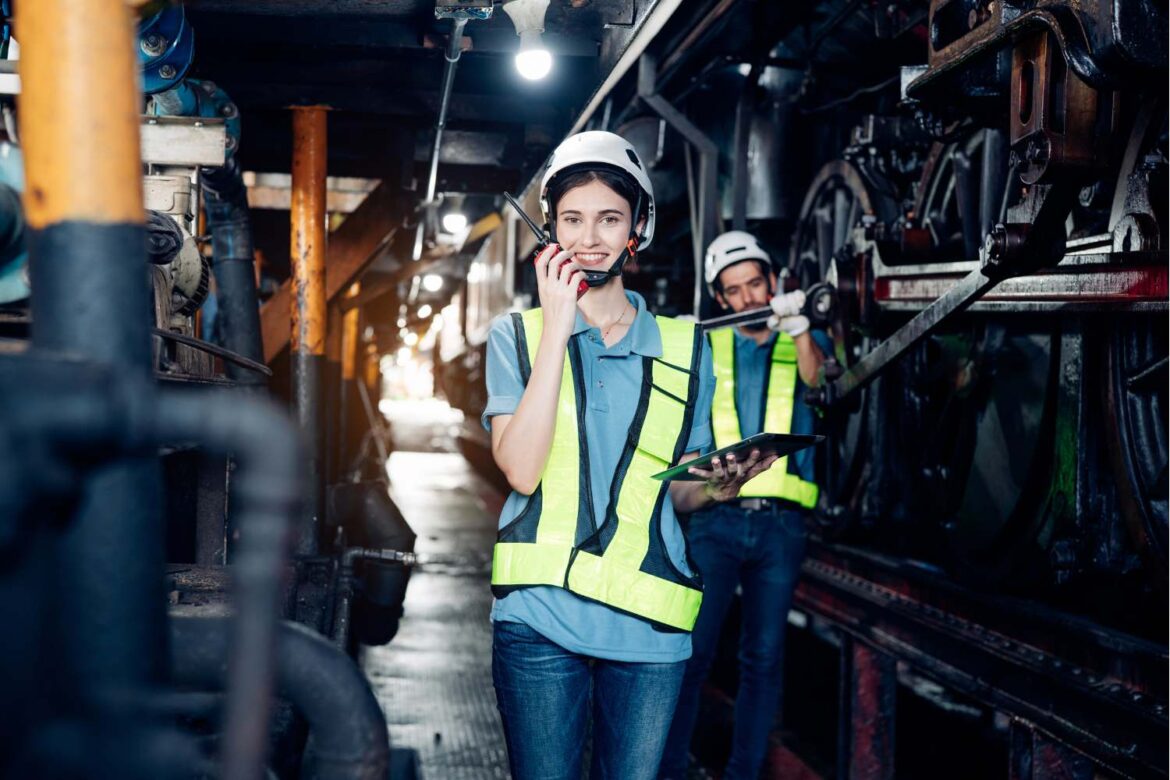
What Is Women’s Health in the Workplace?
Women’s health in the workplace refers to the physical, mental, reproductive, and social well-being of women. It includes how workplace conditions, occupational hazards, labour practices, and organisational culture affect women’s safety, dignity, equality, and overall health. In modern employment systems, women are entitled to equal opportunities and equal treatment in the workplace.
However, women may also experience unique vulnerabilities related to pregnancy, reproductive health, harassment, discrimination, and gender-specific occupational risks. South Africa has developed an extensive legal framework to address these concerns through labour legislation, occupational health and safety laws, and international obligations under the International Labour Organisation (ILO).
Women’s Rights and Workplace Equality Under South African Law
The Constitution of the Republic of South Africa, 1996, forms the foundation of workplace equality and health protection. Section 9 of the Constitution guarantees equality and prohibits unfair discrimination on grounds including gender, sex, pregnancy, and marital status. The Constitution also guarantees every worker the right to fair labour practices and human dignity. These constitutional principles influence all labour and occupational health legislation in South Africa.
The Role of the Employment Equity Act
One of the most important statutes dealing with women’s rights in employment is the Employment Equity Act 55 of 1998. The purpose of this Act is to eliminate unfair discrimination and promote equal opportunity in the workplace. Section 6 of the Act explicitly prohibits discrimination based on gender, sex, pregnancy, family responsibility, and other listed grounds.
The Act further states that harassment constitutes unfair discrimination. This provision is significant because women continue to face workplace discrimination, unequal pay, sexual harassment, and barriers to promotion in many sectors.
Equal Pay for Work of Equal Value
The Employment Equity Act also supports the principle of equal pay for work of equal value. Historically, women were often paid less than men for performing the same or similar work. South Africa’s employment equity framework, together with ILO standards, seeks to eliminate this inequality and promote substantive workplace equality.
Maternity Protection and Pregnancy Rights in the Workplace
Another important law is the Basic Conditions of Employment Act 75 of 1997 (BCEA), which regulates minimum working conditions. The BCEA contains important protections for pregnant and nursing employees. Section 25 provides for maternity leave, while Section 26 prohibits employers from requiring pregnant or breastfeeding employees to perform hazardous work that may endanger their health or the health of the child. Employers are also required to provide suitable alternative work where possible. These protections recognise that women may face specific reproductive and pregnancy-related vulnerabilities in the workplace.
Occupational Health and Safety Risks Affecting Women
Occupational health and safety legislation also plays a critical role in protecting women workers. The Occupational Health and Safety Act 85 of 1993 (OHSA) requires employers to provide and maintain a safe working environment free of risks to employees’ health.
Although the Act itself is generally gender-neutral, its regulations increasingly recognise vulnerable employees and reproductive health risks. Certain workplace hazards, including chemicals, radiation, biological agents, excessive heat, and physically demanding work, may negatively affect fertility, pregnancy, breastfeeding, or foetal development.
Workplace Hazards That May Affect Women’s Health
The Code of Good Practice on the Protection of Employees during Pregnancy and after the Birth of a Child provides guidance on identifying hazards that may affect pregnant or breastfeeding employees. These hazards include exposure to various physical, ergonomic, chemical, and biological hazards.
Some examples of these hazards include vibration and mechanical shocks, extreme heat, ionising radiation, physical and mental strain, prolonged sitting or standing, anaesthetic gases, Lead, and mercury, German Measles, Chicken Pox, and Toxoplasmosis gondii. Employers are therefore required to conduct workplace risk assessments and implement measures to protect vulnerable workers.
Workplace Harassment and Psychological Wellbeing
Women’s health in the workplace also includes psychological and emotional well-being. Workplace harassment and gender-based violence remain serious challenges in many sectors. Sexual harassment may create hostile working environments that affect mental health, productivity, and dignity.
South Africa’s Code of Good Practice on the Prevention and Elimination of Harassment in the Workplace recognises harassment as a form of unfair discrimination and aligns with international labour standards. The Code specifically addresses gender-based harassment and violence in the world of work.
The Role of Occupational Hygiene in Women’s Workplace Health
Occupational hygiene plays a particularly important role in women’s workplace health. Occupational hygiene is the science and practice of anticipating, recognising, evaluating, and controlling workplace hazards that may affect employee health. Occupational hygienists identify physical, chemical, biological, ergonomic, and psychosocial hazards and develop measures to reduce employee exposure to these hazards.
Workplace Monitoring and Exposure Assessments
Occupational hygienists conduct workplace risk assessments and monitoring to determine whether exposure to hazardous agents or unsafe working conditions may affect employees’ health, including risks which may be uniquely posed to women’s health, such as fertility, pregnancy, or breastfeeding. Occupational hygienists play a key role in monitoring exposure levels, recommending control measures, and ensuring compliance with health and safety laws and occupational exposure limits.
International Labour Organisation Standards and Women’s Health
The International Labour Organisation has significantly influenced South African labour law and workplace standards relating to women’s health. The ILO promotes equality, safe working conditions, maternity protection, and protection from workplace discrimination. South Africa has ratified several important ILO conventions that support women workers.
ILO Convention 111 and Workplace Equality
One significant convention is the ILO Convention No. 111 on Discrimination in Employment and Occupation. This convention requires member states to eliminate discrimination in employment based on sex, race, religion, or other prohibited grounds. South Africa’s anti-discrimination laws strongly reflect these principles.
ILO Convention 190 on Violence and Harassment
ILO Convention No. 190 on Violence and Harassment in the World of Work is also highly relevant to women’s health in the workplace. The convention recognises that violence and harassment can constitute a human rights violation and a threat to equal opportunity. It requires member states to adopt gender-responsive approaches to preventing workplace violence and harassment.
South Africa’s Code of Good Practice on the Prevention and Elimination of Harassment in the Workplace specifically refers to Convention 190 and incorporates many of its principles into national workplace regulation.
Why Gender-Sensitive Workplace Health Matters
Modern occupational health approaches increasingly recognise that workplace wellbeing must include both physical and psychological health. Employers are therefore expected to adopt more inclusive and gender-sensitive workplace practices.
Conclusion: Supporting Women’s Health Through Workplace Compliance and Occupational Hygiene
In conclusion, women’s health in the workplace is an important labour, occupational health, and human rights issue. South African legislation, including the Constitution, the Employment Equity Act, the Basic Conditions of Employment Act, and the Occupational Health and Safety Act, provides important protections for women workers.
Occupational hygiene plays a critical role in identifying, evaluating, and controlling workplace hazards that may affect women’s physical, reproductive, and psychological health.
International Labour Organisation conventions further strengthen these protections by promoting equality, safe working conditions, maternity protection, and freedom from workplace discrimination and harassment. Continued efforts are necessary to create workplaces that not only provide equal opportunities for women but also recognise and address the unique health and safety challenges women may face in the world of work.
Related Articles


Understanding Heat Stress: Causes, Symptoms, and Prevention

The importance of monitoring and managing air conditioning systems to improve indoor air quality

Why Indoor Air Emissions Testing Companies are Crucial

The role of employee participation in promoting and maintaining occupational health and safety