
Home » Workplace Compliance Training
Workplace Compliance with EHS4U
Under the Occupational Health and Safety Act, employers have a duty to provide employees with information, instructions, and training to ensure their health and safety at work.
Training is a legal duty, not a nice to have
Section 8 of the Occupational Health and Safety Act requires employers to inform, instruct, train and supervise employees. Hazard-specific regulations reinforce this duty by requiring risk assessment, controls and training. An inspector from the Department of Employment and Labour will ask for the assessment, action plan and training register as evidence of compliance.
This catalogue is designed to meet those legal requirements. Every course is assessed, produces a dated certificate and creates an auditable training record. Training can be delivered online, facilitated on your site, or through a blend of both.
Workplace Compliance Courses
Regulations for Hazardous Chemical Agents, 2021
If your employees handle, decant, mix, clean with or work near chemicals, solvents, dusts or fumes, these regulations apply to you. They require a chemical inventory and safety data sheets, an exposure assessment against occupational exposure limits, control at source before personal protective equipment, and training for everyone exposed.
Full baseline | Hazardous Chemical Agents
- Chemical hazards and what the regulations require
- Recognising hazardous chemical agents
- GHS labels and hazard pictograms
- Safety data sheets and chemical registers
- Exposure limits and risk assessment
- Applying the hierarchy of controls
Refresher | Hazardous Chemical Agents
- What: the agents on site and their risks
- When: when exposure happens and where the critical control points sit
- Why: the consequences of uncontrolled exposure
- Where: where chemical hazards hide in the workplace
- Who: worker and supervisor responsibilities
- How: handling, PPE use and emergency response
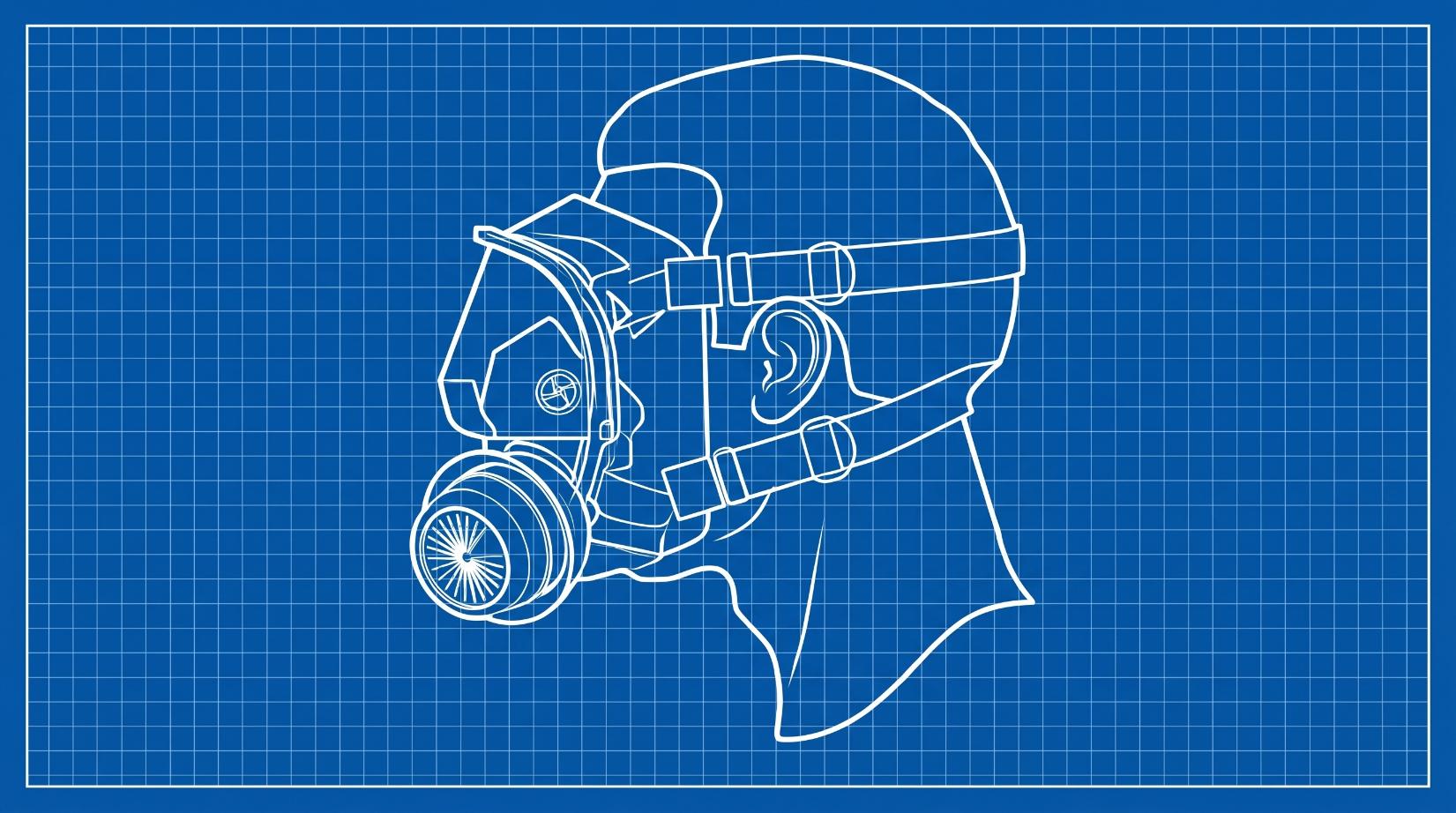
Full baseline | Respirators (RPE)
- Respirator types and their role in chemical safety
- Pre-use fit and condition checks
- Choosing the right respirator for the hazard and task
- Putting on and taking off correctly
- Cartridge types, service life and replacement
- Cleaning, disinfecting and safe storage
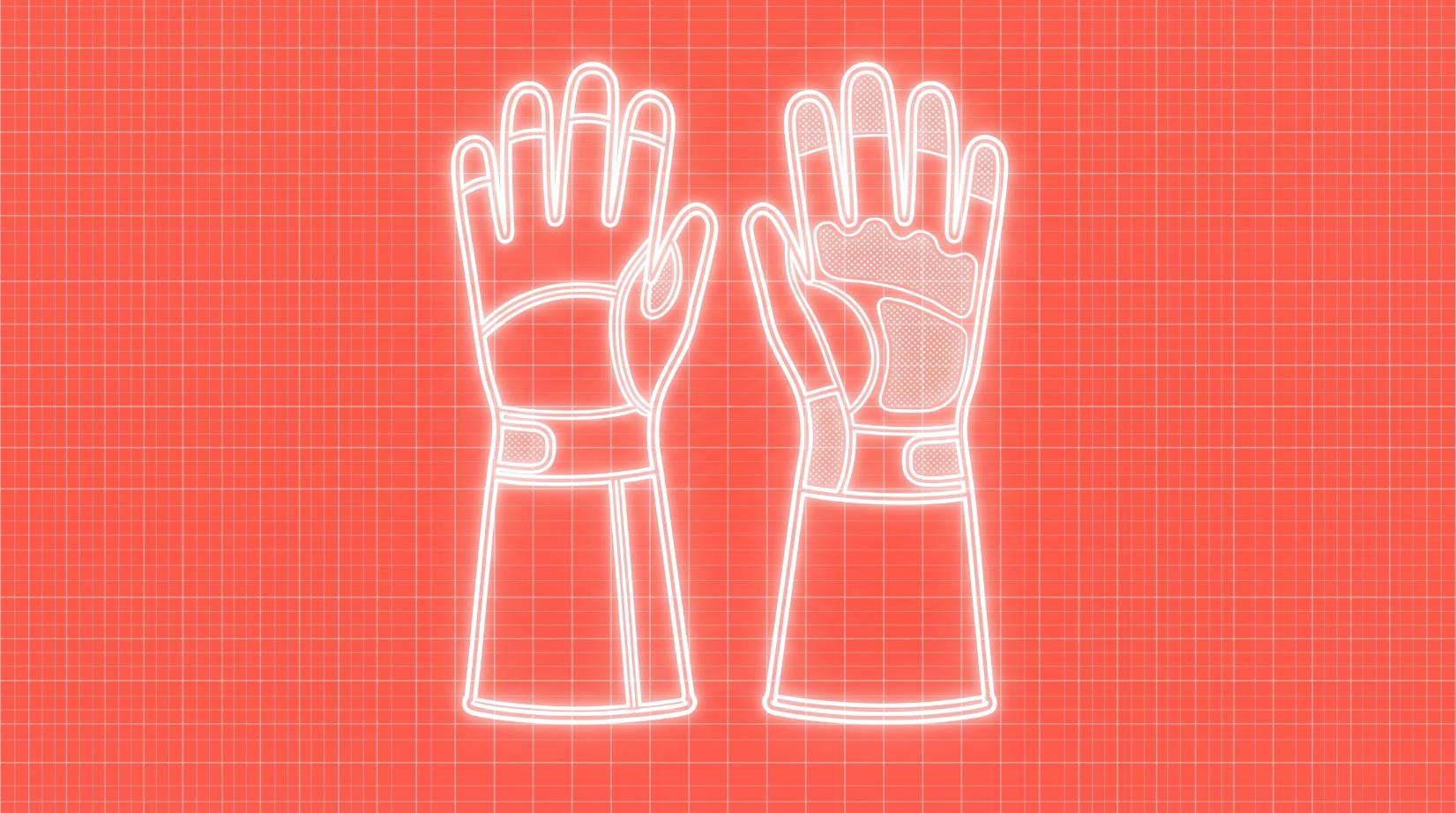
Full baseline | Chemical-Resistant Gloves
- What the regulations require for glove use
- Choosing gloves by chemical and task
- Glove materials and where each one belongs
- Breakthrough, permeation and degradation
- Putting on, taking off, storing and disposing of gloves
Ergonomics Regulations, 2019
Ergonomics under South African law includes more than lifting. It covers physical demands as well as the cognitive and organisational demands of work, including workload, work pace, job control and psychosocial stress. You must identify ergonomic risks, assess them, control them, and train both the employees who are exposed and those who carry out the risk assessments.
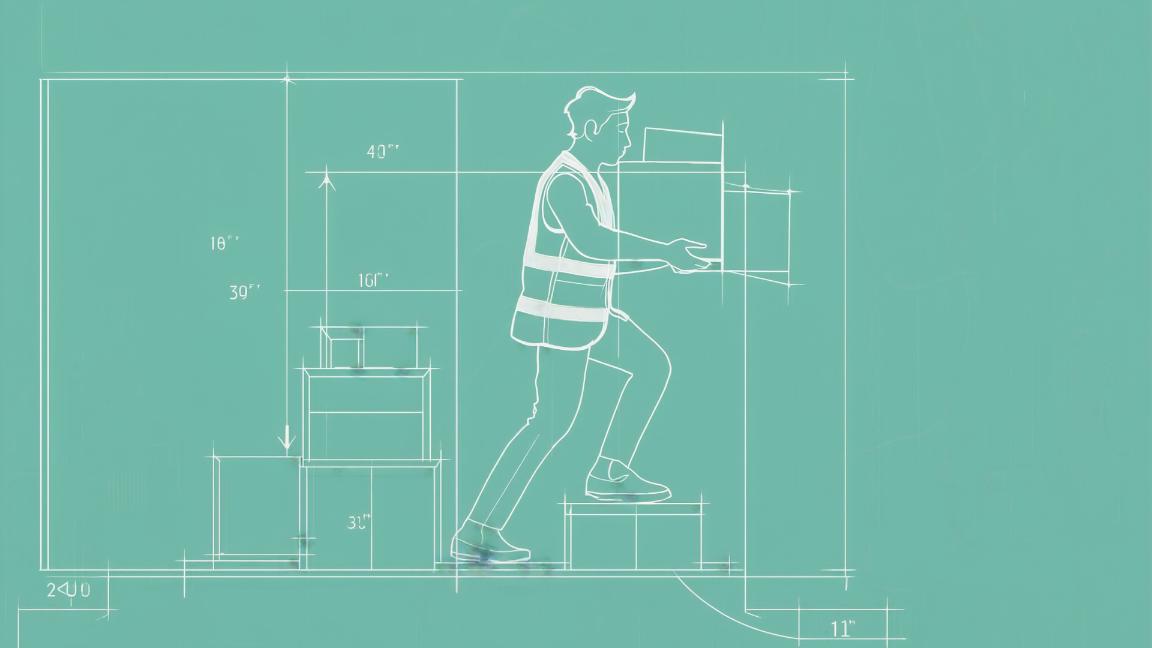
Full baseline | Manual Material Handling
- Safe lifting and carrying
- Physical readiness and fatigue management
- The FERMI risk assessment tool
- Common handling injuries and how they develop
- Behavioural safety and responsibilities
- Risk factors: posture, force, repetition and environment
- Planning tasks and using mechanical aids
- The hierarchy of controls and safe lifting weights
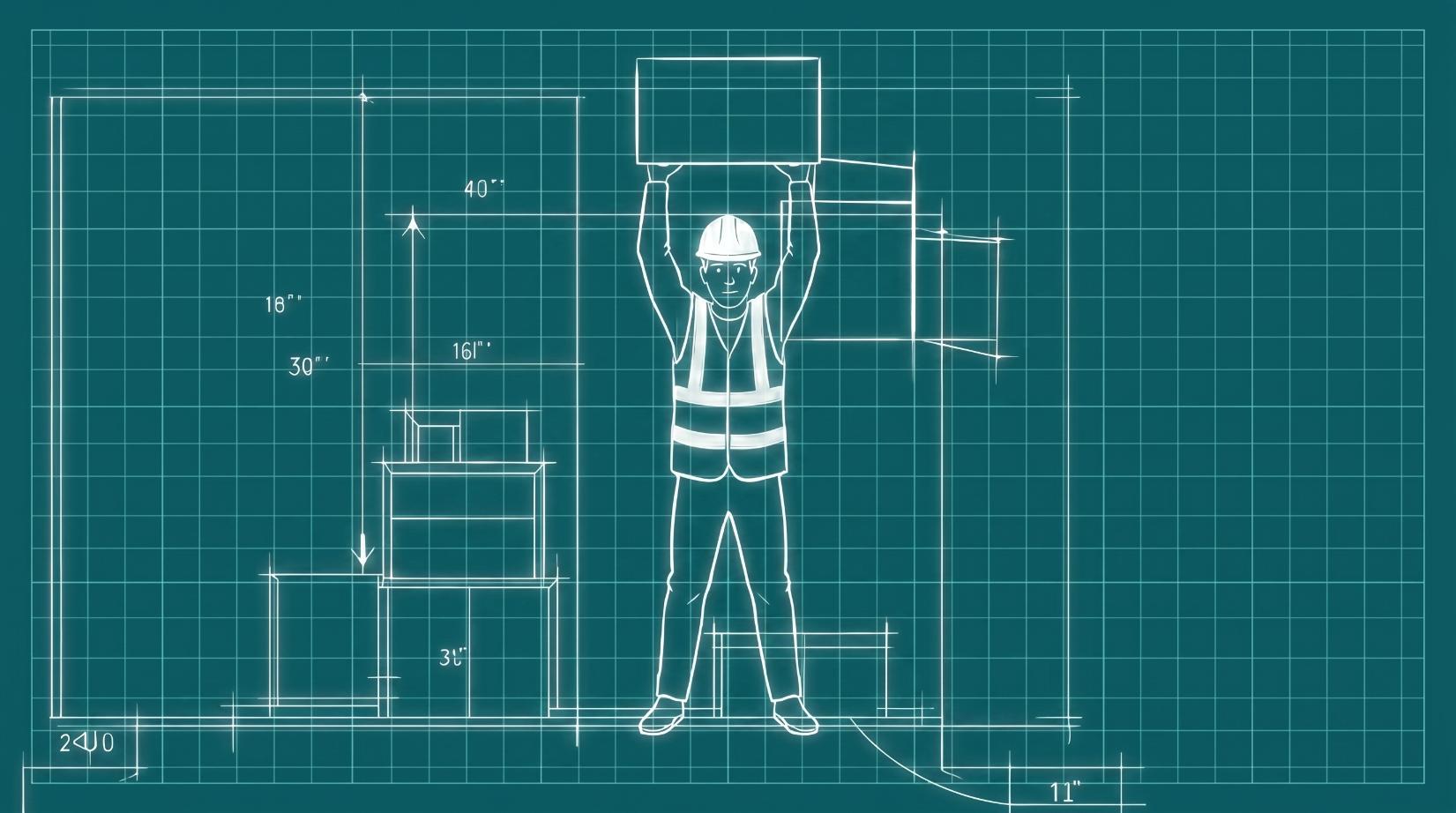
Refresher | Manual Material Handling
- What: what manual handling is and why it matters
- Where: high-risk tasks and environments
- When: situations that call for extra care and planning
- Why: compliance and injury prevention
- Who: worker and supervisor responsibilities
- How: technique, planning steps and mechanical aids
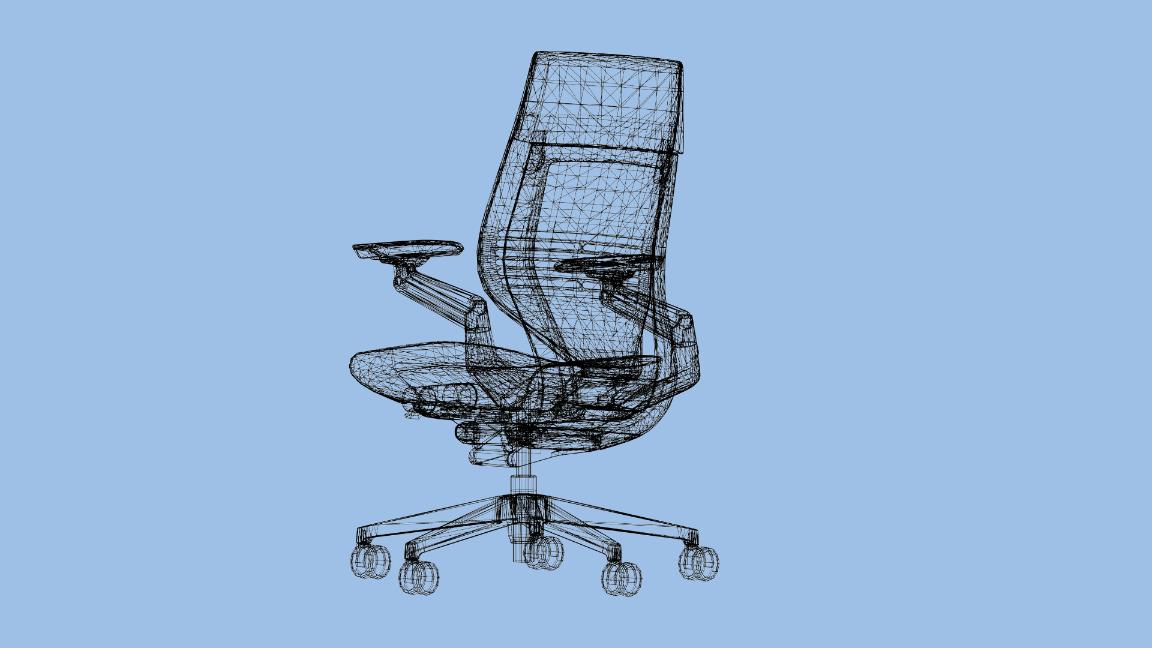
Full baseline | Office Ergonomics
- What ergonomics is and the risk factors behind it
- Why workstation injuries happen
- Micro-breaks and regular movement
- Workstation set-up: chair, monitor, keyboard and accessories
- Roles and responsibilities for ergonomic standards
- Case studies featuring Monica, Prince, Olivia and David

Refresher | Office Ergonomics
- What: office ergonomics and its effect on productivity
- When and where: where the risks occur in an office
- Why: compliance and injury prevention
- Who: employee and supervisor responsibilities
How: workstation set-up, posture and movement
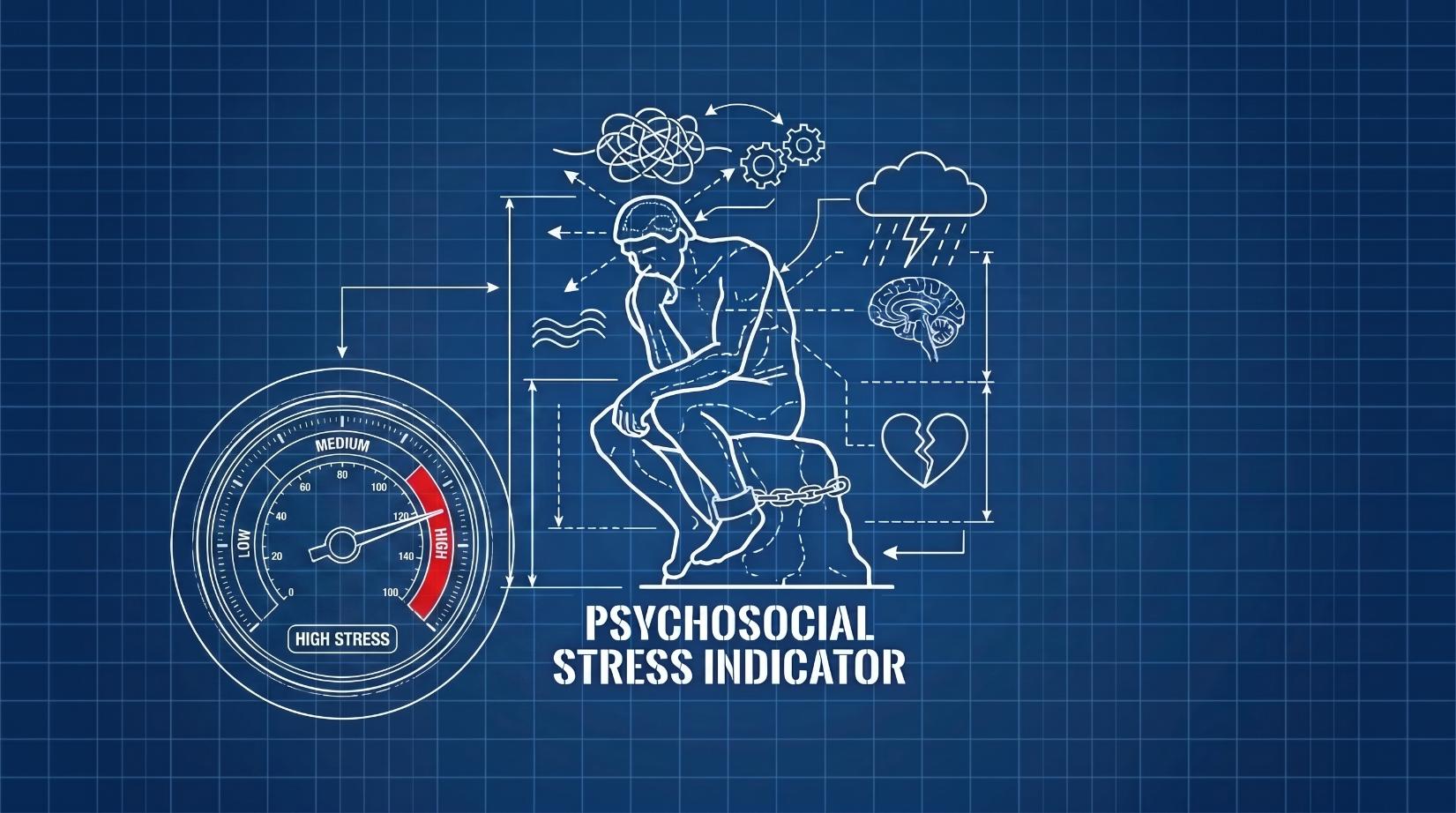
Full baseline | Psychosocial Risk
- What psychosocial stress is and how it affects performance
- Workplace stressors and contributing factors
- Spotting early signs in yourself and your team
- Coping strategies and organisational interventions
- Recap of key concepts and good practice
Noise Exposure Regulations, 2024
Noise-induced hearing loss is still one of the most compensated occupational diseases in South Africa, and it is entirely preventable. Under the Noise Exposure Regulations, 2024, an action level of 82 dB(A) and an exposure limit of 85 dB(A) apply. Where average exposure reaches these levels, you must declare and mark a noise zone, control the noise at source before relying on protection, run audiometric testing, and train everyone who enters.

Full baseline | Noise
- Noise hazards and what the regulations require
- Sound, the ear and why damage is permanent
- Sources of noise and how exposure happens
- Evaluating noise: meters, dosimeters, levels and limits
- Building a culture of hearing conservation
- Controls: engineering, administrative and PPE
- Warning signs of hearing damage, NIHL and tinnitus
Refresher | Noise
- What: hazardous noise and its effect on hearing
- When and where: where noise risks occur on site
- Why: the consequences of uncontrolled exposure
- Who: worker and supervisor responsibilities
- How: correct use of hearing protection and controls
Heat Stress: Physical Agents Regulations, 2024
Thermal stress is a physical agent, and in South African conditions its impact, especially the sharp jump from heat exhaustion, heat stroke and death, is widely underestimated. Construction, agriculture, mining and manufacturing all face this risk. People rarely drop without warning. The first clues are usually slower work, irritation or small mistakes.
Full baseline | Heat Stress
- Workload and physical activity as a source of heat
- Clothing and PPE, and when protection traps heat
- Hydration: how much, how often and what to avoid
- Work-rest cycles and shaded recovery
- Acclimatisation for new and returning workers
- Training, awareness and buddy checks
- Monitoring and early warning systems
Refresher | Heat Stress
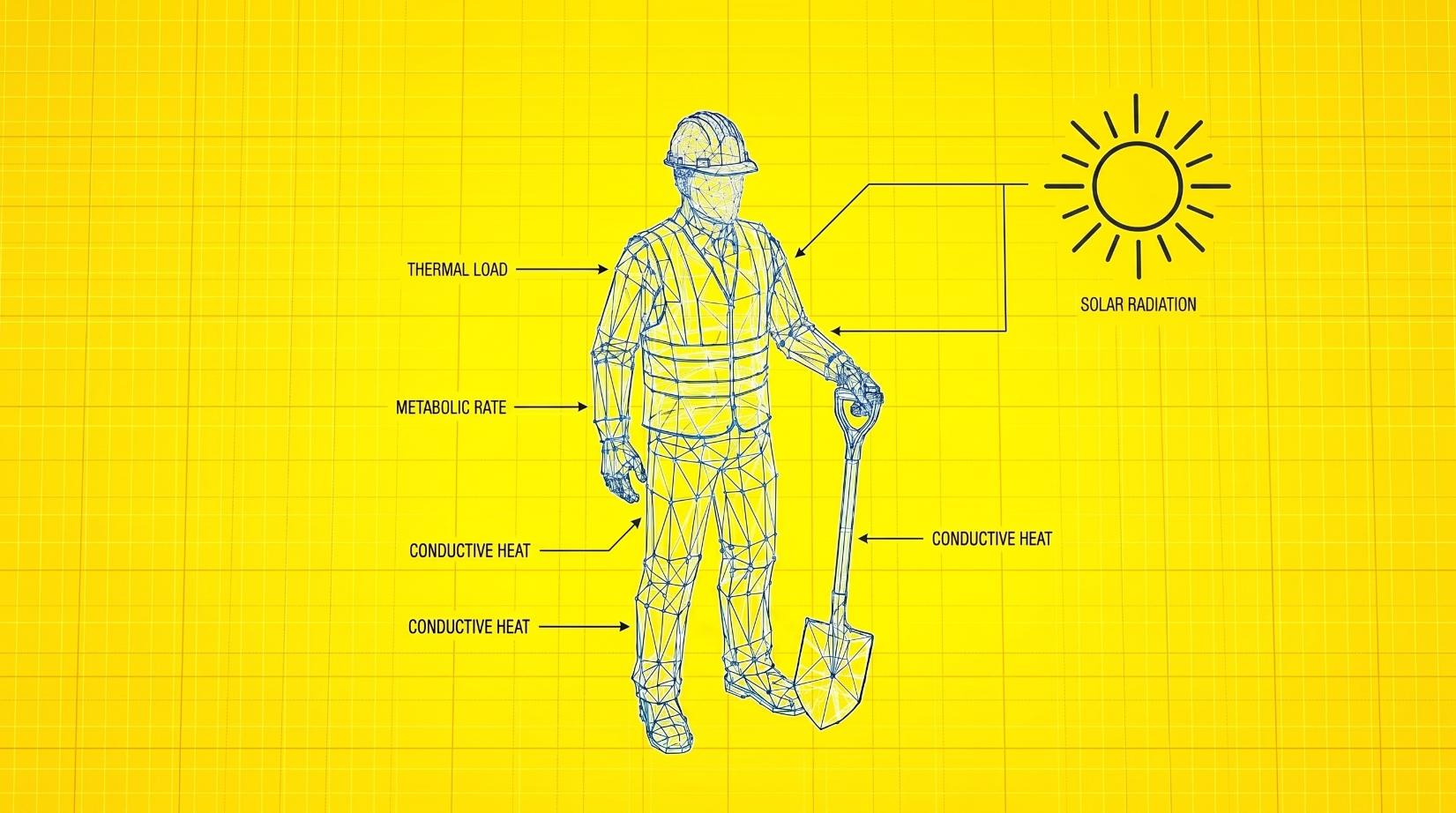
- What: thermal load, metabolic rate and solar radiation
- When and where: the tasks and hours that carry the risk
- Why: heat exhaustion, heat stroke and lost productivity
- Who: crew, supervisor and first-aider responsibilities
- How: hydration, rest cycles and reporting early signs
How to get my company compliant?
Ready to Enrol?
Ready to take the next step? Submit your enquiry and the Apex training team will confirm upcoming course availability, current pricing and registration requirements.