


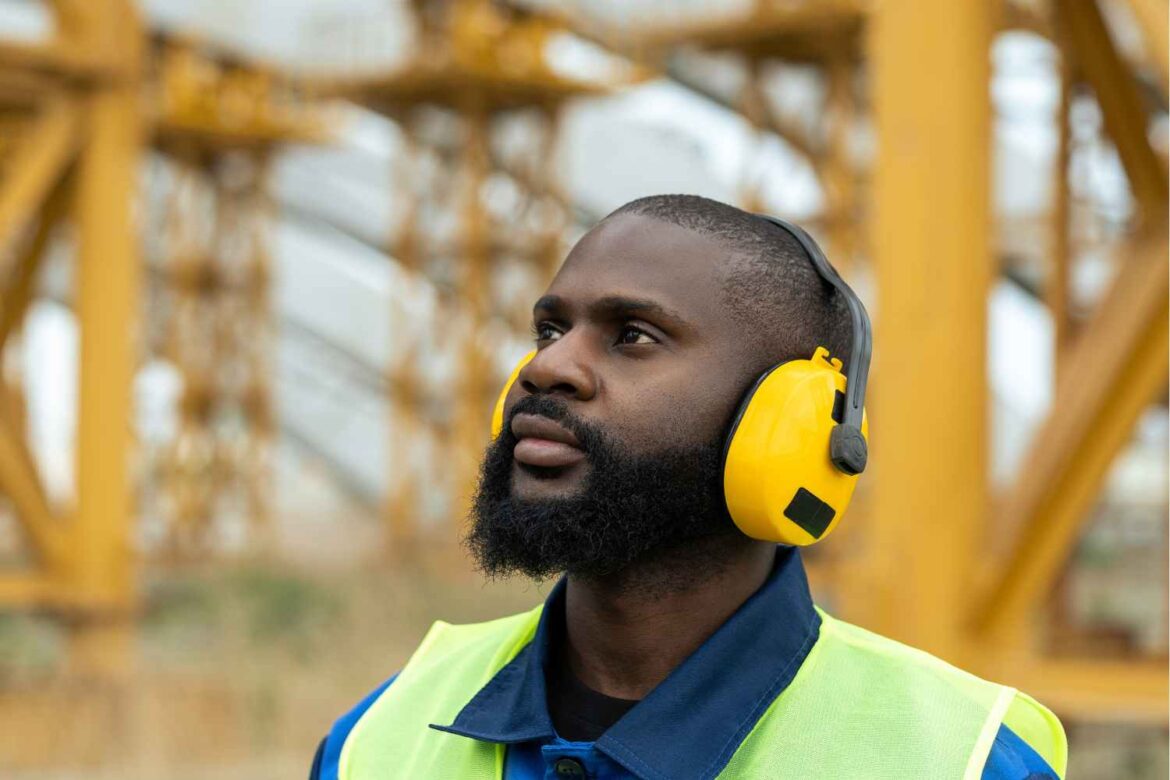
A noisy workplace is oftentimes just accepted as part of the job. In industrial facilities, construction sites, manufacturing plants, and even certain office environments, elevated sound levels and long exposure can feel like it’s part of the routine. And yet excessive noise exposure doesn’t show up immediately. Unlike many visible hazards, its impact accumulates quietly over time and looks different for everyone.
This is why noise monitoring shouldn’t be viewed as merely a reactive compliance exercise. When implemented as part of ongoing safety procedures, it acts as a preventative measure that protects employees from irreversible hearing harm while supporting responsible workplace risk management.
The Risk You Don’t Hear Until It’s Too Late
Noise-related harm is something that develops gradually. Prolonged exposure to elevated sound levels can lead to noise-induced hearing loss, chronic fatigue, reduced concentration, and an increase in stress levels. Because the deterioration progresses over time, many employees don’t immediately recognise the damage until it has already become permanent.
Hearing loss caused by long-term occupational exposure is an irreversible effect of exposure to unmanaged noise. According to workplace health guidance under the Occupational Health and Safety Act (Act 85 of 1993), employers have a duty to provide and maintain a working environment that is safe and without risk to health. Excessive noise levels fall squarely within this responsibility.
Understanding the long-term consequences of workplace noise and Protecting Employees from Noise-Induced Hearing Loss becomes the guiding principle for implementing safety measures in the workplace.
Without structured noise monitoring, organisations could underestimate true exposure levels or fail to identify high-risk areas until complaints start to arise or regulatory thresholds are exceeded – and by that time, hearing loss may have already started for many employees.
Beyond Hearing Loss: The Broader Impact of Excessive Noise
While hearing damage is the most recognised consequence, the effects of excessive noise levels extend much further. Sustained high sound levels can impair communication, reduce situational awareness and concentration, and increase the likelihood of workplace accidents. Employees operating machinery or vehicles may struggle to detect warning signals, leading to elevated safety risks. In environments where safety relies on communication and being aware of surroundings, it’s far more than not being able to hear what a colleague is saying. It also means that employees can’t hear or act swiftly in the face of emergencies.
The Effects of Noise Pollution can also contribute to elevated psychological stress and decreased productivity. Even in environments that aren’t traditionally considered “high noise risk,” persistent background noise can affect concentration and overall well-being.
By treating sound exposure as an environmental and occupational hazard rather than a nuisance to endure, organisations can strengthen both employee protection and operational performance.
What Effective Noise Monitoring Involves
Monitoring noise effectively is a science: it should always be structured, systematic, and data-driven. The process typically involves measuring sound levels across various operational areas, assessing time-weighted exposure for employees, and comparing results against regulatory limits and recognised standards.
Monitoring frameworks may include:
- Measuring the sound levels for each work area
- Personal noise dosimetry to measure individual exposure levels
- Peak sound exposure assessments
- Ongoing trend analysis of noise exposure levels
The goal is to understand how sound exposure interacts with specific job roles, operational processes, and workplace layouts, not just to simply record decibel levels.
When integrated into broader environmental monitoring programmes, organisations gain a clearer understanding of cumulative risk. Apex Environmental supports businesses through comprehensive environmental monitoring services that address occupational and environmental exposure risks holistically.
Identifying Risk Before It Becomes Liability
The most valuable aspect of noise monitoring is early intervention. The data collected will reveal patterns that may not be obvious during routine operations. For example, certain equipment may generate intermittent noise peaks that exceed permissible limits, or specific roles may involve prolonged exposure above safe thresholds.
By identifying these patterns early on, organisations can implement targeted control measures such as engineering modifications, acoustic barriers, administrative controls or appropriate hearing protection interventions.
This proactive approach aligns with regulatory expectations under South African occupational health frameworks, which emphasise risk assessment and preventative action rather than post-incident response. Organisations that don’t regularly monitor exposure levels may face not only health consequences but also reputational damage, compensation claims and regulatory penalties.
From Measurement to Meaningful Control
Monitoring the noise levels alone also isn’t enough. The true value lies in translating measurement data into practical risk reduction strategies. Being able to turn the data into what informs strategies is where the value comes in.
Structured monitoring frameworks support:
- Accurate risk assessments
- Evidence-based safety planning
- Informed procurement decisions
- Improved training and awareness initiatives
- Demonstrable compliance during audits
Professional environmental noise measurements provide defensible data that stands up to scrutiny. Structured, consistent monitoring and impact evaluations transform sound from an unmanaged background condition into a controlled occupational factor.
A Preventative Safeguard for Long-Term Workplace Health
Workplace hazards are not always dramatic; some of them develop quietly, without immediate incident. Excessive noise is one of them.
By investing in noise monitoring and making it part of routine operational practice, organisations demonstrate commitment to employee wellbeing, regulatory compliance, and responsible environmental stewardship. More importantly, they prevent irreversible harm before it starts. In environments where the sound levels are elevated or variable, structured monitoring is not simply a technical exercise, but a long-term investment in protecting people.
When organisations act early, they move from reacting to hearing damage and complaints to preventing them entirely. And in occupational health, prevention remains the most effective protection.