


Many organisations view an emissions test as a regulatory checkpoint. A measurement is taken, a report is issued, and compliance is confirmed. The data, however, tells a much bigger story than whether a facility meets environmental requirements.
Emissions are a by-product of operational processes. When emission levels change, it often reveals changes elsewhere in the system, from combustion efficiency and fuel quality to equipment performance and maintenance practices.
Addressing emissions as a symptom rather than a cause enables organisations to identify the root cause and implement effective safety and prevention measures.
Why Emissions Are Often a Symptom, Not the Problem
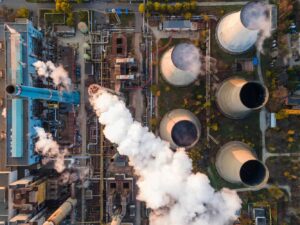
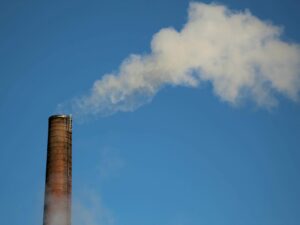
Emissions don’t occur independently. They are part of the output of an organisation’s operational systems. Whether emissions come from a factory, a refinery, or a power plant, their significant environmental impact is undeniable.
Changes in emissions output may indicate that something has changed upstream.
It may be a symptom of combustion processes, volatile organic compounds (VOCs), or chemical production. The cause doesn’t become immediately apparent, especially in cases of leaks that exceed detection systems.
Emission test data enable organisations to identify the possible root causes of changes:
| Emission Finding | Potential Operational Cause |
| Elevated particulate emissions | Poor filtration performance |
| Increased CO emissions | Incomplete combustion |
| Elevated NOx emissions | Combustion temperature issues |
| Variable results between tests | Process instability |
Different emissions indicate different causes that can affect workplace safety and environmental risks.
What Emission Testing Can Reveal About Facility Performance
Testing emissions isn’t just part of a regulatory requirement. The data gathered from these tests can indicate how effectively emissions control systems are performing.
Equipment Health and Condition
While emissions testing doesn’t replace mechanical inspection, results can point to equipment or control systems that require closer review against maintenance schedules.
When machinery is properly maintained, the chances of increased emissions are greatly reduced.
Combustion Processes
In environments where combustion emissions are generated, a test will evaluate whether the process itself poses operational and environmental risks and what the organisation is doing to reduce emissions as part of ongoing regulatory compliance measures.
Fuel Quality
The type and number of emissions from combustion depend significantly on the type and quality of the fuel used. Technologies used to control these emissions are also reviewed in an emissions test to determine their effectiveness and compliance with regulations.
Process Consistency
When production processes are inconsistent, the emissions generated are variable. This means that a consistent production flow creates a more predictable emission release cycle, allowing organisations to more effectively implement controls. If processes are inconsistent, it’s more challenging to reduce emissions or even implement measures to safeguard the workplace and environment.
Maintenance Effectiveness
Equipment may be routinely scheduled for services or maintenance, but determining whether the maintenance keeps the system in optimal condition is very different.
If parts are constantly patched up rather than replaced, for example, those weak spots create opportunities for frequent breakdowns or malfunctioning equipment that increase emissions.
Apex Environmental’s emissions testing framework follows the United States Environmental Protection Agency (US-EPA) Source Testing codes to conduct atmospheric emission testing of stationary sources, such as industrial and combustion stacks.
The Cost of Ignoring What Emissions Data Is Telling You
When emissions data is treated as a one-off compliance output, valuable operational signals can be easily missed.
Elevated or inconsistent results may point to issues affecting performance before they become visible as downtime, equipment failure, or regulatory concerns.
For example, incomplete combustion may increase fuel consumption, while poor filtration performance places additional strain on control systems.
Variable emissions between testing periods may also indicate process instability, inconsistent inputs or maintenance practices that aren’t achieving the intended result.
These issues not only affect environmental performance but can also increase operating costs, reduce process efficiency, affect product consistency, and place additional pressure on maintenance teams.
In many cases, regulatory non-compliance is the final symptom, not the first.
Beyond Compliance: Using Emissions Data to Improve Operations
While the importance of the emissions testing framework in South Africa remains central, the data extends far beyond proving compliance. When correctly interpreted, the data helps organisations make better operational decisions.
Emissions results can indicate systems that require closer inspection, supporting maintenance planning. They can also highlight process inefficiencies, support fuel or input reviews, and help teams understand whether control measures are performing as expected.
This turns emissions testing into a proactive risk management tool. Instead of waiting for failures, complaints, or enforcement action, organisations can use emissions data to identify early warning signs and improve environmental performance over time.
This broader approach also supports a more responsible operating model, in which emissions testing contributes to a greener, safer future through improved monitoring, interpretation, and decision-making.
Why Interpretation Matters More Than Measurement
A test result on its own has limited value without context. Facility managers need to understand what the results may indicate about the process, equipment and controls behind those emissions.
This is where interpretation becomes critical. A reading may fall within a limit but still show a concerning upward trend. Another result may suggest a control system is working harder than it should, or that operating conditions are becoming less stable over time.
Apex Environmental supports clients by translating emissions results into practical insight. Rather than simply testing, reporting and leaving the client with numbers, the focus is on helping organisations understand what the data means and what should be considered next.
The Real Value of an Emissions Test Lies Upstream
Emissions testing should not sit separately from environmental management. The results can support broader decisions around licensing, compliance planning, process improvement and long-term risk reduction.
Organisations that use emissions data purely for compliance may miss opportunities to improve efficiency, reduce risk and strengthen environmental performance. By looking upstream, emissions testing becomes more than a regulatory requirement.
It becomes a way to understand how a facility is operating, where weaknesses may be developing and how risks can be managed before they escalate.