


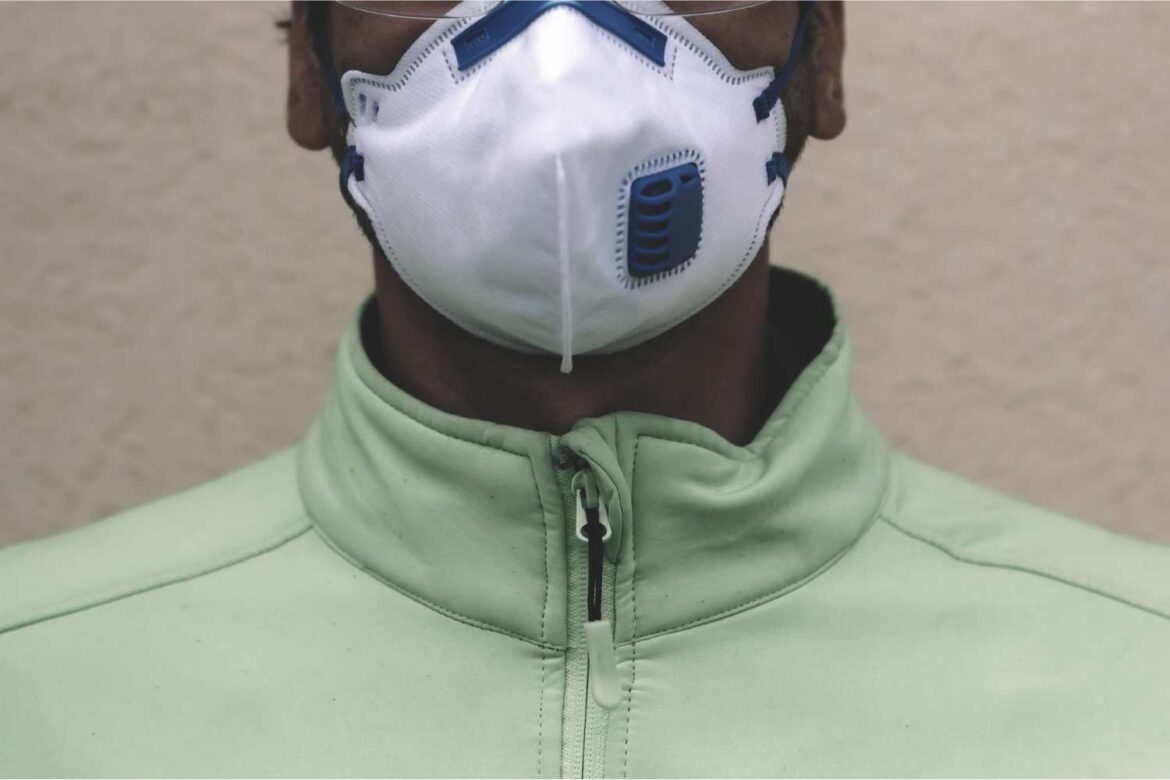
It’s no secret that asbestos is a harmful material that can lead to very serious health risks, ones that don’t show until years later when the damage has already been done.
That is why wearing the correct PPE is genuinely lifesaving during removal work. This guide will explore asbestos removal training and how to choose the right PPE for workers to reduce exposure risk.
The Real Risks of Asbestos Exposure
Asbestos is a group of naturally occurring silicate minerals that form bundles of fibres that can be separated into threads. These mineral fibres have been used in various industries for many years because they are heat- and fire-resistant, and don’t conduct electricity. While it may be one of the oldest minerals known to man, it has also become one of the most dangerous.
Historically, asbestos was used in construction, manufacturing, and even in household items. But once studies emerged about the health risks, its use started to decline. In South Africa, the mining and processing of asbestos has been prohibited since 2008, but old mining sites could still be sources of exposure. Areas where asbestos can be found in the soil require extensive rehabilitation and removal projects.
PPE is Not Optional – It’s Crucial
When approaching an asbestos removal project, PPE should be first on the list. The health risks associated with exposure are severe, and so the risk of exposure should be eliminated as far as possible. Asbestos exposure becomes particularly high-risk in industries working with construction (drywall tapers, electricians, auto mechanics) and even firefighters. The various health risks include:
- Mesothelioma, a type of lung cancer affecting the lung membrane and chest cavity, and other organs
- Lung cancer, a tumour blocking the air passages
- Asbestosis, when the fibres cause scarring in the lungs from being inhaled
- Pleural disease, a lung condition affecting the lung membrane and chest cavity
These health risks often don’t show up until decades after exposure. Proper asbestos removal training includes understanding the health risks and exposure pathways.
Understanding the PPE Hierarchy for Asbestos Tasks
One of the core components covered in training is how to correctly select and wear PPE depending on the level of risk. There is a protection hierarchy to follow that helps to ensure safety from exposure.
Starting with Type 5 Category 3 coveralls. These protective suits offer very specific protection against serious risks like chemicals, biohazards and of course, the fine asbestos fibres. The Type 5 (Particle Tight) coveralls are made of non-woven materials with taped seams, hoods, and elasticated cuffs to enhance worker safety.
Gloves, Footwear, and Other Critical PPE Elements
Aside from the coveralls, it’s important to ensure further coverage. Additional PPE is necessary to complete the protection hierarchy:
- Nitrile gloves (8-10 mil): These gloves are tear and puncture-resistant, making them a top choice for durability and comfort. For higher risk exposure, double gloving is another great way to add a layer of safety.
- Disposable overshoes: Shoe covers further prevent cross-contamination of asbestos fibres.
- Safety goggles: Eye protection is just as crucial as bodily protection. Goggles protect the eyes from exposure to fibres, so they must have a snug fit and side shields.
Disposable PPE ensures that exposure risk doesn’t travel beyond the work site on clothes or skin.
Fit-Testing and Correct Usage: Where Many Go Wrong
Respiratory Protective Equipment (RPE) should always be fit-tested. Because asbestos exposure must be tightly controlled, especially in areas where elimination or substitution is not feasible, RPE becomes essential.
So, it’s important to ensure proper test-fitting:
- Qualitative fit testing: While not as accurate as quantitative, this face fit test is simple and based on the wearer’s subjective assessment of the face seal and is only suitable for half-face RPE.
- Quantitative fit testing: A quantitative fit test is carried out using specialized equipment and is far more accurate. This is the recommended method as the equipment measures ambient particles in the air outside the RPE against particles being breathed in by the wearer.
As the last control measure, if the RPE doesn’t fit properly, it undermines the PPE’s effectiveness.
Donning, Doffing and Disposal: Why Technique Matters
Minimising asbestos exposure doesn’t end when the task is complete. Correctly donning and doffing PPE is a critical part of the protection hierarchy: preventing contamination before work begins and avoiding self-exposure when it ends. Donning ensures equipment fits and functions as intended, while doffing focuses on safely removing PPE without transferring fibres.
Through practical asbestos removal training, Apex equips teams to properly manage PPE before, during and after asbestos-related tasks.
The Role of Supervision and On-Site Enforcement
PPE is only as effective as its supervision and real-world use. Supervisors play a key role in identifying misuse, correcting unsafe practices, and maintaining compliance with legal standards.
Regular checks and reinforcement of training protocols help create a culture of accountability. Without consistent oversight, even well-trained teams can fall into complacency.
Training: The Missing Link in Most PPE Failures
Most PPE failures during asbestos removal aren’t due to faulty gear. They’re usually caused by simple, avoidable human error. Whether it’s an incorrectly fitted respirator, contaminated clothing during doffing, or improper disposal, these mistakes can lead to dangerous exposure and long-term health risks. Without a strong foundation in practical, regulation-aligned training, teams are left vulnerable, even when the right equipment is available.
This is where Apex Environmental steps in. Our certified asbestos training bridges the gap between compliance and real-world execution. If your team hasn’t undergone certified asbestos removal training, even the best PPE won’t provide full protection.
Apex equips your workforce with the knowledge and hands-on skills to apply protection protocols correctly, safeguarding people, projects, and long-term profitability.
Choosing Apex Environmental as Your PPE and Training Partner
When it comes to asbestos safety, selecting the right partner can make all the difference. Apex Environmental offers more than just training.
Our goal is to empower businesses with the tools and knowledge needed to protect both people and operations.
As a Department of Employment and Labour-approved inspection authority and a SANAS-accredited body, Apex meets the highest standards in occupational hygiene.
It’s Not Just the Mask, It’s What’s Behind It
PPE is essential for asbestos work, but it’s only effective when used correctly and consistently. Proper fit-testing, disposal procedures, and certified asbestos removal training form the foundation of true protection. Without the right knowledge, even the best gear becomes a false sense of security.
Now is the time to assess whether your team has both the equipment and the expertise needed to work safely and compliantly.
Related Articles

Tailoring Heat-Stress Risk Assessments for Indoor, Semi-Enclosed and Outdoor Workspaces
The Lifecycle of Protection: Managing PPE from Issue to Disposal in Asbestos Environments

Improving Workplace Lighting: How Proper Illumination Enhances Safety and Productivity
Supporting Women’s Workplace Health