


Personal protective equipment (PPE) fulfils a critical role in asbestos environments, but its protective duty doesn’t end once work is complete.
The transition points within the lifecycle of PPE, from issue to disposal, are where risks can increase if not properly managed. Incorrect handling of contaminated PPE has the potential to reintroduce asbestos fibres into clean zones.
This article explores each stage of the PPE lifecycle in asbestos work, from the correct selection and ongoing maintenance to storage, decontamination, and final disposal under regulated conditions.
Understanding PPE as a System, Not Just an Item
Effective PPE management in asbestos environments begins with understanding that PPE is not a single piece of equipment but a system of supporting practices. Protective coveralls, respirators, gloves and footwear are only as reliable as the processes that support their proper use.
At Apex Environmental, we emphasise that workers and supervisors alike must understand the purpose and limitations of every piece of equipment in the PPE suite.
Through structured asbestos removal training, teams gain a clear understanding of how the lifecycle of PPE reduces exposure risks and ensures compliance with Department of Labour and SANAS standards from start to finish. Turning PPE into an effective protective system rather than a box‑ticked item.
Issuing PPE: Selection and First Inspection
The lifecycle of protection begins at the point of issue. The appropriate selection approach must consider the type of asbestos work being conducted, the exposure risk, environmental factors and task duration.
Common PPE for asbestos tasks includes:
- Type 5/6 coveralls with sealed seams
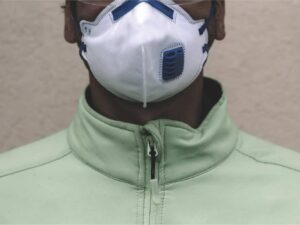
- Certified respirators with P3 filters
- Durable, disposable gloves
- Protective goggles
- Overshoes or dedicated safety boots
Selecting the right combination reduces exposure risk at the first touchpoint and sets the stage for safer projects.
The Inspection Process at Issue:
Before PPE can be worn, it must be thoroughly inspected. This is a documented check for defects, fit, and material integrity – not a quick glance and checking a box.
- Respirators must be physically inspected for seals, straps, and canister condition
- Coveralls should be checked for tears or compromised seams
Any compromised item must be replaced before entering any exclusion zone.
Issuing PPE is also a safety reinforcement opportunity. Supervisors should verify that the wearer has completed asbestos removal training and understands the specific PPE requirements for the task ahead.
During Use: Maintenance and Housekeeping
PPE must be treated as though it is actively protecting against contamination for the entire duration of the task. Because it is. During use, workers and supervisors should be vigilant about:
- Maintaining clean, undamaged PPE
- Avoiding unnecessary contact with contaminated surfaces
- Always practising good site hygiene
Good housekeeping routines and supervisory checks at the worksite not only reduce general safety and exposure to hazards but also support the effectiveness of protective equipment. When tools and surfaces are regularly (and properly) cleaned, the chance of loose fibres settling on PPE is minimised.
PPE Storage Between Uses
Between work periods and shifts, PPE needs secure and appropriate storage to prevent damage and potential contamination. Storage areas should always be:
- Clean, dry and clearly labelled
- Separate from general use areas
- Organised to avoid compression or damage to respirators and coveralls
Respirators should be placed in protective cases to maintain their seal integrity. Coveralls and gloves that remain uncontaminated should be stored in dust-free bags.
The proper storage of PPE preserves material quality and prevents cross-contamination in areas that would otherwise be considered clean.
Decontamination and Disposal
At the end of each shift or task, the decontamination step is critical. Asbestos fibres can cling to PPE surfaces, and incorrect handling can release these fibres into clean zones. Decontamination procedures should be:
- Structured and supervised
- Sequenced to move from the most contaminated to the least contaminated areas
- Supported with appropriate facilities such as wet cleaning stations and designated waste containers
Workers should be trained in the correct sequence of removing PPE: often wetting surfaces to suppress fibre release, then carefully doffing and placing the contaminated items directly into designated waste containers.
Disposal Under Regulation
Contaminated PPE is classified as asbestos waste and must be handled with the necessary care. The Department of Labour Regulations require that:
- Asbestos waste is double bagged in 6-milliliter plastic bags and enclosed in a container
- Any equipment or vehicles that have been in contact with asbestos are cleaned
- Bags are labelled clearly with hazard information
- Disposal is conducted at an approved asbestos waste facility
Apex Environmental’s services help clients establish and audit compliant disposal procedures as part of their larger asbestos management strategy.
The Role of Training and Oversight at Every PPE Stage
The effectiveness of any PPE lifecycle relies on consistent asbestos removal training, clear, enforceable safety procedures, and active supervision. Training equips workers with the ability to:
- Choose the appropriate PPE and layer materials for maximum protection
- Conduct thorough inspections of equipment and proper fit testing
- Perform proper decontamination procedures for their safety
- Understand storage and disposal requirements and adhere to regulations
When supervisors regularly reinforce these skills through training and on-site, observe work practices, prompt corrective action when necessary, and document compliance, the job site becomes a safer environment.
Protecting People and Programmes
In regulated asbestos environments, PPE cannot be treated as an afterthought or single line item. When viewed as a lifecycle, from issue and inspection through to maintenance and disposal, PPE becomes a powerful tool for preventing exposure and demonstrating regulatory compliance.
With specialist asbestos removal training, structured processes and professional oversight, organisations can protect their people, operations, and reputation.