


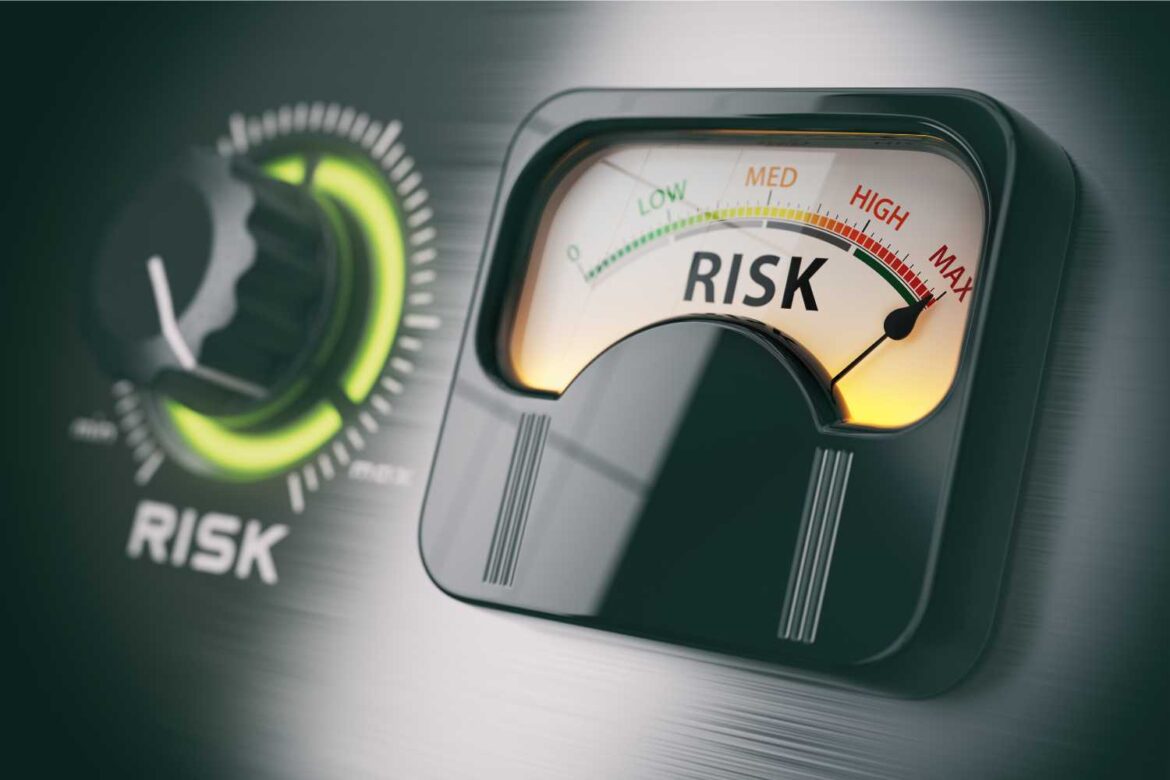
Heat-related illness remains one of the most underestimated occupational health risks across South African workplaces. While outdoor work under direct sunlight is widely recognised as hazardous, indoor and semi-enclosed environments often present equally serious, and sometimes greater risks. Poor ventilation, radiant heat from machinery, restrictive PPE and high work intensity can combine to create dangerous thermal conditions that are not immediately obvious.
This is why effective thermal stress management requires more than a generic checklist. It demands risk assessments that are tailored to specific workplace characteristics and the people working within it.
Understanding Heat Stress as a Multifaceted Risk
Heat stress doesn’t arise from high temperatures alone. It’s the result of multiple interacting factors that influence the body’s ability to regulate heat effectively. These include environmental conditions, physical workload, clothing and PPE, and individual susceptibility.
In occupational hygiene, thermal stress is understood as the heat load imposed on the body. A balance between heat gained from the environment and work activity, and heat lost through sweating and respiration. When this balance is disrupted, workers may experience heat exhaustion, heat cramps, or, in severe cases, heat stroke.
Recognising heat stress as a multifactorial risk is the first step towards meaningful assessment. Without this understanding, controls are often misapplied, leaving workers exposed despite well‑intended interventions.
Different Environments, Different Risk Profiles
Each work environment presents different conditions with different risks. If the stressors in the workplace are understood and assessed properly, the risk factors can be addressed to prevent health risks.
Outdoor Workspaces
Outdoor environments are subject to solar radiation, fluctuating ambient temperatures and limited environmental control. Construction sites, roadworks and agricultural operations are particularly vulnerable during the warmer months. Wind speed, cloud cover and task duration can significantly influence the risk levels, making continuous or periodic monitoring essential.
Semi-Enclosed Workspaces
Semi-enclosed environments like warehouses, loading bays, workshops and boiler rooms often trap a lot of heat. Radiant heat from equipment, insufficient airflow, and intermittent exposure to outdoor conditions can create complex thermal profiles.
These spaces are frequently underestimated because they often don’t feel as extreme as outdoor environments, yet workers may be exposed for longer continuous periods.
Indoor Workspaces
Indoor workplaces such as manufacturing halls, commercial kitchens, laundries and foundries present hidden thermal hazards. Heat generated by processes, combined with limited ventilation and mandatory PPE, can significantly increase physiological strain on workers. Unlike outdoor work, indoor heat stress is often persistent and less visible, requiring targeted measures and task-based analysis.
Apex Environmental’s occupational hygiene services provide the technical expertise needed to assess diverse environments accurately.
The 4-Layered Framework for Heat-Stress Risk Assessment
Combating heat stress in different work environments requires measures that address various points of risk to ensure the heat exposure is limited as far as is practical.
Layer 1: Ambient Environmental Measurement
The foundation of any heat-stress assessment is objective environmental data to support ventilation and thermal comfort. Common metrics include:
- Wet Bulb Globe Temperature (WBGT)
- Globe temperature (to assess radiant heat)
- Air temperature, humidity and air movement
These measurements provide an initial indication of environmental heat load and allow comparison against recognised occupational exposure guidelines.
Layer 2: Task-Based Assessment
Environmental data alone is insufficient because the same conditions may pose vastly different risks depending on the work being performed. Task-based assessments consider:
- Metabolic workload (light, moderate or heavy work)
- Work-rest cycles
- Duration of exposure
- Postural demands
This layer ensures that thermal stress assessments reflect real working conditions rather than considering a static measurement taken in isolation.
Layer 3: Clothing and PPE Considerations
Clothing and PPE can significantly impair heat dissipation. Multi-layered garments restrict evaporation, locking heat in close to the body, while certain protective gear also increases metabolic demand. Risk assessments must account for:
- Insulation value of clothing
- Breathability
- Mandatory PPE requirements linked to other hazards
Overlooking the impact of clothing often results in underestimating heat risk, particularly in indoor and semi-enclosed environments where signs of illness take longer to show.
Layer 4: Acclimatisation and Workforce Factors
Workers who are not acclimatised to hot conditions are at increased risk during their first days or weeks of exposure. Age, fitness levels, hydration status, and underlying health conditions also influence vulnerability to heat-related illness.
A robust thermal stress assessment incorporates workforce profiling to ensure controls are protective for the most vulnerable, not just the average worker.
Mapping Controls to Risk: From Data to Action
Collecting environmental data is only valuable if it leads to effective control and mitigation strategies. Once risks are characterised, control measures should be mapped using the hierarchy of control, including:
- Engineering controls (ventilation, insulation, shielding)
- Administrative controls (work-rest schedules, job rotation, hydration protocols)
- Training and awareness
- PPE optimisation where elimination is not feasible
This structured mapping transforms complex datasets into actionable interventions that management can implement and continuously monitor.
Turning Risk Assessments into Compliance and Strategy
From a legal and governance perspective, heat-stress risk assessments must do more than identify hazards. They must demonstrate due diligence. Clear, concise reporting allows organisations to show alignment with occupational health obligations and integrate findings into broader safety strategies.
Apex Environmental specialises in translating technical environmental data into structured reports that are understandable, defensible and actionable. These reports support compliance, inform decision-making and provide a documented basis for continuous improvement.
Precision Matters in Heat-Stress Management
Heat stress risks vary significantly across indoor, semi-enclosed and outdoor environments. Treating them as identical not only undermines worker safety but also exposes organisations to compliance and reputational risk.
By adopting a layered, environment-specific approach to thermal stress risk assessment, businesses can protect their workforce more effectively while strengthening their occupational health strategy.
Related Articles


The Lifecycle of Protection: Managing PPE from Issue to Disposal in Asbestos Environments
What is Behind the Mask? Choosing the Right PPE for Asbestos Work

Tailored Training Strategies for Heat-Risk in Diverse Work Environments
Heat-Resilience: How Training Programs Prepare Workers for Emerging Thermal Risks