Any certified respirator that’s correctly filtered for the right contaminant and properly maintained can still do absolutely nothing for the person wearing it. If it doesn’t properly seal against a particular face, they’re just wearing extra headgear.
Between issuing the correct equipment and assuming someone’s protected, there’s a question most workplaces never actually ask: does this respirator fit this person, specifically, or does it just fit the job description? This is the part where we tell you that respirator fit testing sets out to answer that question.
Two Different Decisions: Selecting a Respirator and Confirming It Fits
When selecting a respirator, you’re looking at the hazard: what’s airborne, what level of protection the task demands, which filter type suits it, what conditions the work happens under. What the selection misses is whether the chosen respirator seals against the face of the person who’s going to wear it. That’s a separate factor to address and can only be answered by respirator fit testing.
Treating the two as one quick decision creates a false sense of security. Two employees can be issued identical respirators that are correctly selected for the same hazard. One seals to the employee’s face and the other doesn’t. Now the same respirator is giving two different levels of protection. The table below shows why conflating a daily seal check with an actual fit test makes that gap easy to miss.
| Daily Seal Check | Respirator Fit Test |
| Confirms respirator’s position before the task | Confirms whether the make, model and size actually seals on the wearer |
| Performed every time the respirator gets put on | Performed before first use, and periodically, and after facial changes |
| The wearer feels for air movement using a positive or negative pressure check | A qualitative or quantitative test measuring seal performance under pressure |
| Checks that the respirator sits where it should in the moment | Checks whether the respirator fits the person in the first place |
| It can’t confirm whether the seal holds under speech, movement, or exertion | The objective is to measure whether the respirator holds through movements |
This is where occupational hygiene services help workplaces treat respirator fit as something to properly verify, not assume, just because the box ticked the right specification.
Familiarity Can Easily Stop Protecting You
For a worker who has worn a respirator for years, it’s easy to feel like part of the job rather than a piece of safety equipment. Comfort starts standing in for protection because nothing’s gone obviously wrong yet. What familiarity doesn’t account for is that respirator fit changes over time with:
- Facial dimension changes from weight gain or loss
- New facial hair, even a few days’ growth
- Scarring or dental changes affecting jaw shape
- A different respirator model or batch
- Other PPE, like safety glasses or hearing protection that interferes with seal lines
These won’t show up as obvious leaks most of the time. And that’s exactly the problem. The absence of a noticeable gap doesn’t confirm a respirator is performing as expected.
Research backs this up with harder numbers than most workplaces realise. South African testing that quantitatively fit-tested a group of 562 participants across different face sizes, genders and population groups, all wearing the same standard disposable respirator, found that 78% of users failed the fit test. That makes a strong argument against assuming a respirator model suits every face. For more on what that means in practice for PPE selection in general, Apex’s Worker Safety Guide is a useful next read.
A Seal Check Confirms Positioning, Not Performance
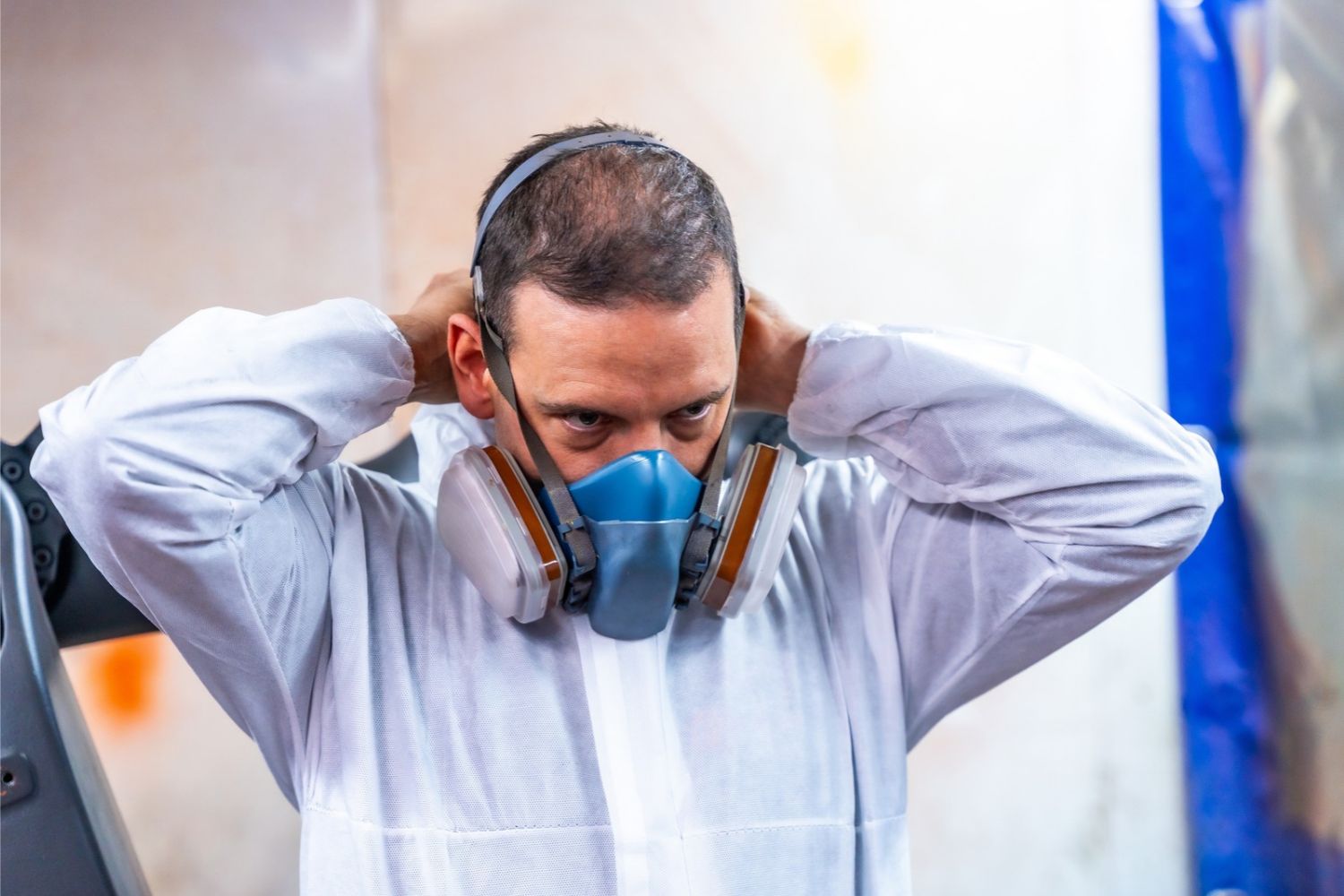
The checks workers perform when putting on a respirator are often called a user seal check and have genuine value. It catches an obviously poor fit (donning), a loose strap, or an unsealed nose clip.
It can’t replace a formal face fit test because it relies on the wearer’s perception of leakage under static conditions for a few seconds. It says nothing about how that seal holds up once they talk, move around or breathe hard. Organisations that treat daily checks as equivalent assurance to a proper fit test are relying on a tool built for a much smaller job than the one they’re asking it to do.
Fit Testing Completes an Exposure Conversation; It Doesn’t Replace One
A solid seal doesn’t make an unsuitable respirator appropriate for a hazard it wasn’t designed to filter, and fit testing shouldn’t replace engineering controls or process changes upstream of it.
Employers still need a clear understanding of the airborne contaminant, exposure level, and the conditions workers face before a respirator decision means anything at all.
Respiratory protection is only one layer in a wider control strategy, and fit testing verifies the performance of that final layer. The same logic applies to how PPE is managed throughout the entire task lifecycle, which we cover in Asbestos Removal Training: PPE Issue to Disposal.
What Qualitative Testing Proves
Qualitative respirator fit testing turns an assumed seal into a documented pass or fail result. The process evaluates actual fit performance across a set of prescribed movements and activities designed to replicate real working conditions.
That shift from assumption to a standardised, documented result supports defensible PPE decisions. It makes it easier to identify when a different size, model or type is required, before that gap shows up as an exposure incident.
Apex Environmental’s Respirator Fit Testing service falls within this broader understanding of exposure and control.
Respiratory Protection Doesn’t Start When PPE Is Issued
Respiratory safety starts with understanding the hazard properly, selecting protection that actually suits it, and then confirming that the equipment performs for the specific person expected to rely on it.
Before the next respirator gets issued on your site, it’s worth asking plainly: has anyone actually confirmed it fits, or has everyone assumed it does?